
Royal Festival Hall London | Concerts, Events & Tickets
 • June 23, 2026
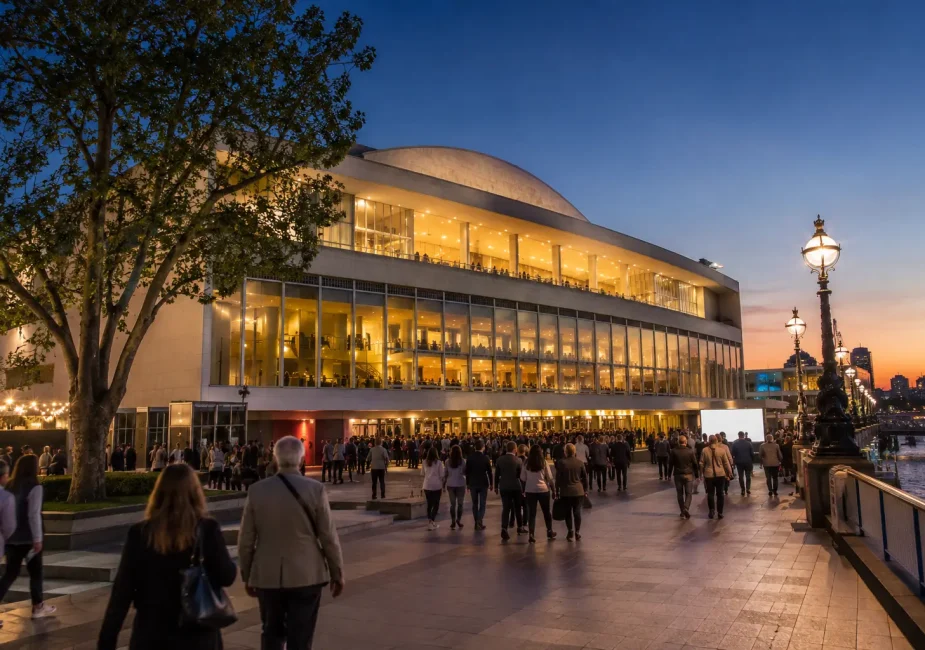
Venue: Royal Festival Hall
Address:
Southbank Centre, Belvedere Road, London SE1 8XX, United Kingdom.
Venue Information:
- Located on London’s South Bank beside the River Thames.
- Part of the Southbank Centre arts complex.
- Capacity of approximately 2,700 seats.
- Hosts concerts, live music, talks, festivals, and cultural events.
- Opened in 1951 as part of the Festival of Britain.
Nearest Stations:
- Waterloo
- Embankment
Location
Royal Festival Hall is located on London’s South Bank, beside the River Thames in central London. As part of the Southbank Centre, it is close to the London Eye, Big Ben, and Houses of Parliament, making it one of the city’s most accessible cultural venues.
Quick Overview
The Royal Festival Hall is one of London’s most famous performing arts venues. Situated on the South Bank of the River Thames, it opened in 1951 as the centrepiece of the Festival of Britain and has since become a landmark for concerts, orchestral performances, talks, festivals, and cultural events. The venue is part of the Southbank Centre and attracts millions of visitors each year.
Key Facts About Royal Festival Hall:
| Feature | Details |
|---|---|
| Location | South Bank, London |
| Opened | 1951 |
| Capacity | Approximately 2,700 seats |
| Venue Type | Concert hall and performance venue |
| Part Of | Southbank Centre |
| Status | Grade I Listed Building |
Why Is Royal Festival Hall Famous?
Royal Festival Hall was built for the historic Festival of Britain, a national exhibition celebrating British innovation, culture, and post-war recovery. The venue quickly became one of the world’s leading concert halls and remains home to performances ranging from classical music and jazz to contemporary artists and international festivals.
What Can Visitors Expect?
Visitors can enjoy:
- Live music concerts
- Classical orchestra performances
- Cultural festivals
- Talks and lectures
- Dance performances
- Riverside dining and cafés
- Public foyers with Thames views
The venue also houses the National Poetry Library, restaurants, bars, and public spaces that are open even when no performance is taking place.
Architectural Significance
Royal Festival Hall is regarded as one of Britain’s most important modernist buildings. Designed by architects Robert Matthew and Leslie Martin, it became the first post-war building in the UK to receive Grade I listed status. Its innovative “egg within a box” auditorium design was created to improve acoustics and audience experience.
Conclusion
More than 70 years after opening, the Royal Festival Hall remains one of London’s premier cultural destinations. Combining historic architecture, world-class performances, and a prime riverside location, it continues to play a central role in the city’s arts and entertainment scene.
For official venue information and events, visit Southbank Centre – Royal Festival Hall.
FAQs About Royal Festival Hall London
Where is the Royal Festival Hall located?
Royal Festival Hall is located within the Southbank Centre on Belvedere Road, London SE1 8XX, beside the River Thames.
What is the Royal Festival Hall known for?
It is one of London’s leading cultural venues, hosting concerts, live music, talks, festivals, and performing arts events.
When did the Royal Festival Hall open?
The venue opened in 1951 as part of the Festival of Britain and remains a major landmark on London’s South Bank.
How many people can the Royal Festival Hall accommodate?
The main auditorium has a seating capacity of approximately 2,700 people.
What transport links are available near the Royal Festival Hall?
The venue is within walking distance of Waterloo, Embankment, and Charing Cross stations, making it easy to reach by public transport.
Is the Royal Festival Hall part of the Southbank Centre?
Yes, Royal Festival Hall is the flagship venue of the Southbank Centre, one of the UK’s largest arts and cultural complexes.
Can visitors access the Royal Festival Hall without attending an event?
Yes, visitors can explore the public foyers, restaurants, cafés, and riverside spaces even when no performance is scheduled.